Does Tesla Pay Dividends? The Honest Answer (and Why)
A plain-English answer, why Tesla doesn't pay a dividend, what Tesla does with its cash instead, and what it means for you.
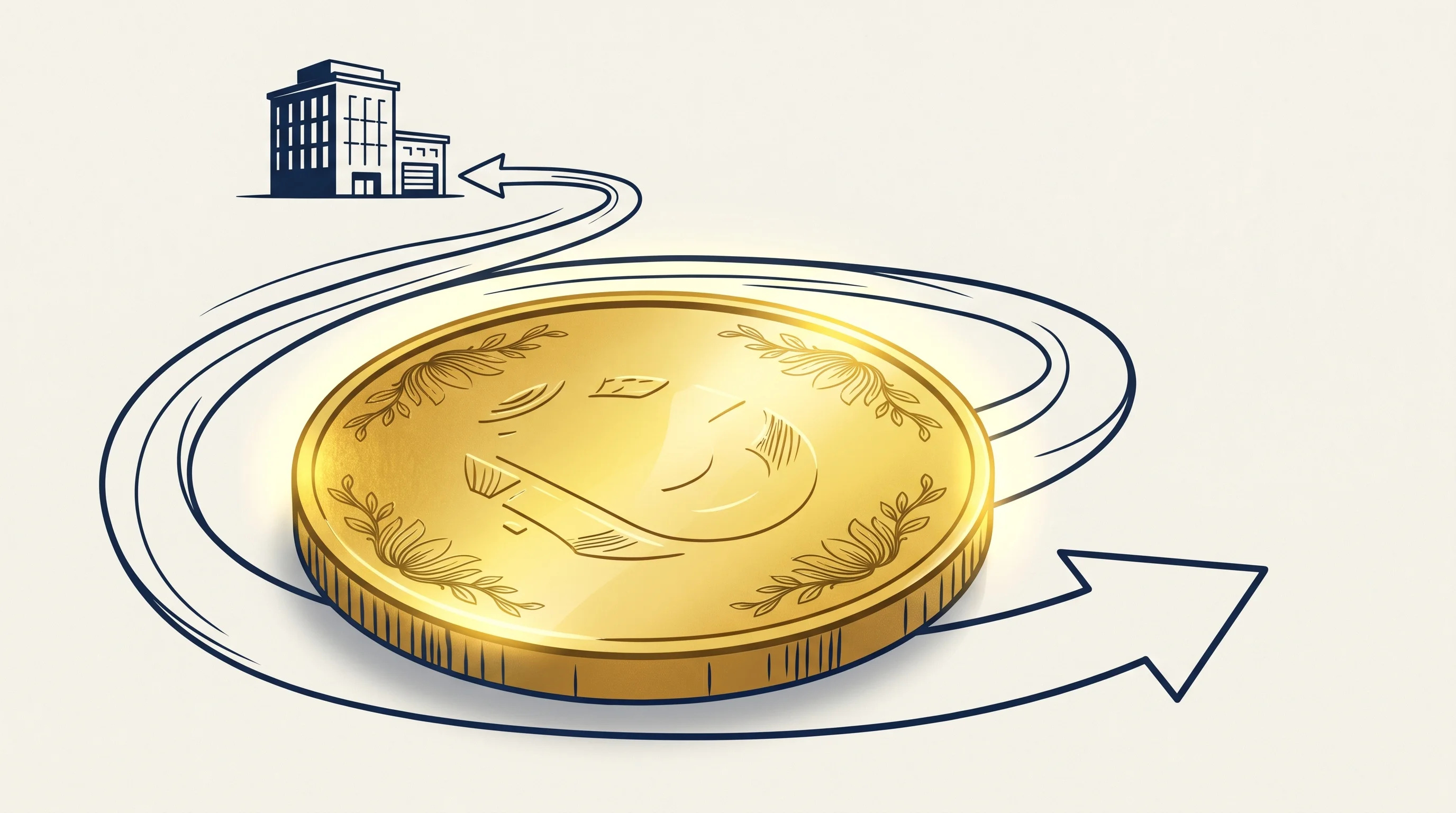
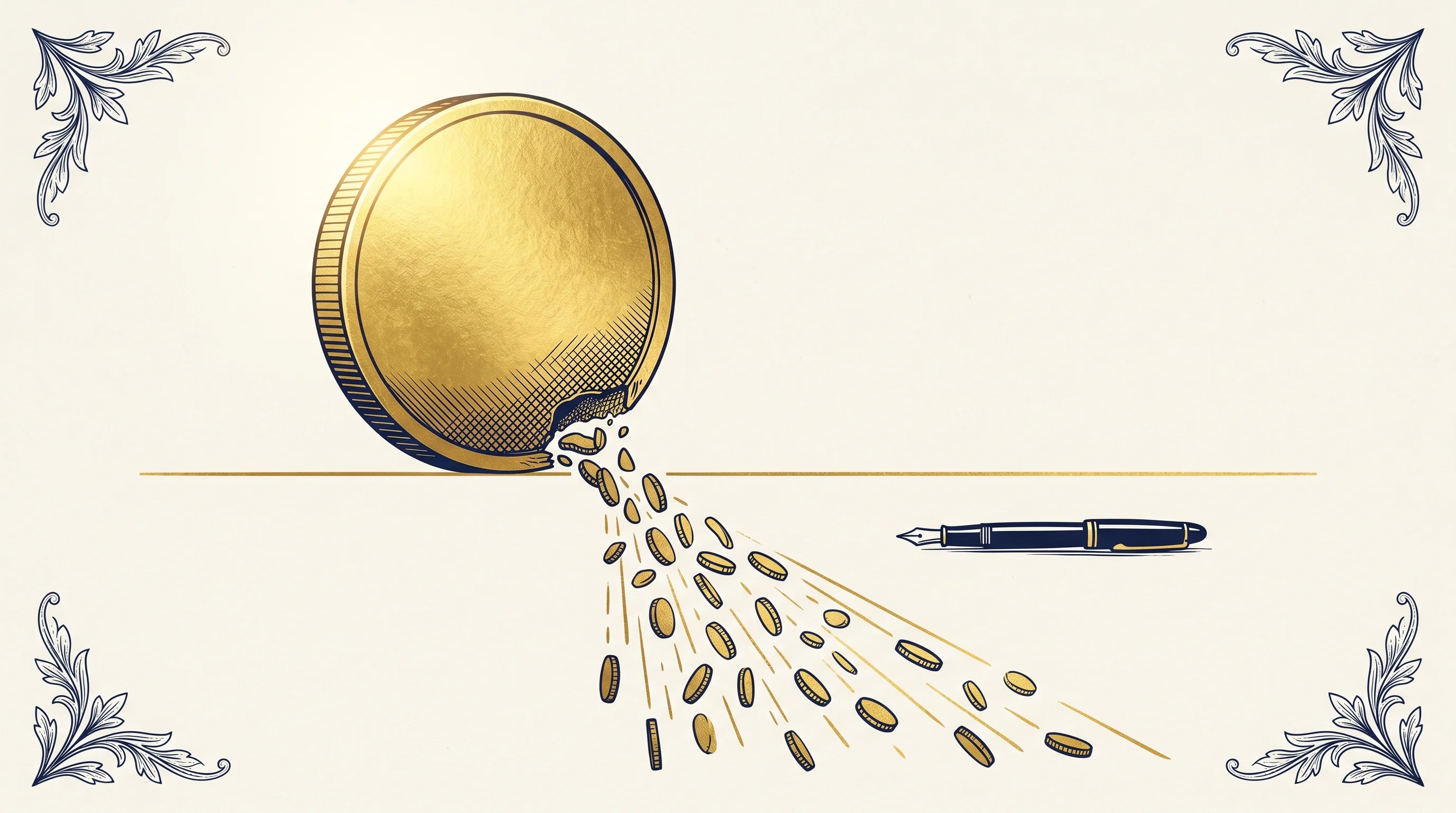
Short answer: No, Tesla does not pay dividends. The company has never paid one and almost certainly will not start anytime soon. If you own Tesla, your only way to make money is through the share price going up.
A dividend is a cash payment a company sends to its shareholders. Usually every three months. Many famous US companies pay dividends — Apple, Coca-Cola, Procter & Gamble, Microsoft, Johnson & Johnson, and most banks all do. Many other famous companies, including Tesla, deliberately don't.
This guide is the plain-English answer to does Tesla pay dividends. We'll cover why Tesla doesn't. What the company does with its cash instead. When (if ever) Tesla might start paying. And whether the absence of a dividend should change your view of the stock as a retail investor.
So, does Tesla pay dividends? The direct answer
No. As of 2026, Tesla has never paid a regular cash dividend on its common stock. The company has no announced plan to start. CEO Elon Musk and the board have consistently said the same thing. Tesla can earn a higher return for shareholders by reinvesting the company's cash into the business than by paying it out.
A few quick clarifications, because beginners get tripped up by these:
- Tesla has never paid a regular dividend. This is unusual for a company with Tesla's revenue ($94.83B in FY2025) but completely normal for a company that classifies itself as a "growth company" still building out major new product lines.
- Tesla did once distribute extra shares. In 2020 and 2022 Tesla split its stock 5-for-1 and 3-for-1. A stock split is not a dividend. You get more shares but each share is worth proportionally less. Your total holding doesn't change.
- Tesla does not have a dividend yield. You'll sometimes see "0.00%" listed where the dividend yield would normally appear on a stock-quote site. That's not Tesla being shy — there is genuinely nothing being paid out.
If you came here because you saw Tesla in a "best dividend stocks" list or someone told you the company pays a dividend, you saw or heard wrong. Treat that source with skepticism going forward.
Why doesn't Tesla pay dividends? The real reason
This is the part most articles never explain properly. A company chooses whether or not to pay dividends. The choice tells you something about the management and the business.
When you ask does Tesla pay dividends and the answer is no, the follow-up question is why not. Five things a company can do with the cash its business generates:
- Reinvest in growing the existing business (new factories, new products, more R&D).
- Acquire other companies to expand into new areas.
- Pay down debt to reduce financial risk.
- Buy back its own shares (a tax-efficient version of returning cash to shareholders).
- Pay a dividend — distribute cash to every shareholder directly.
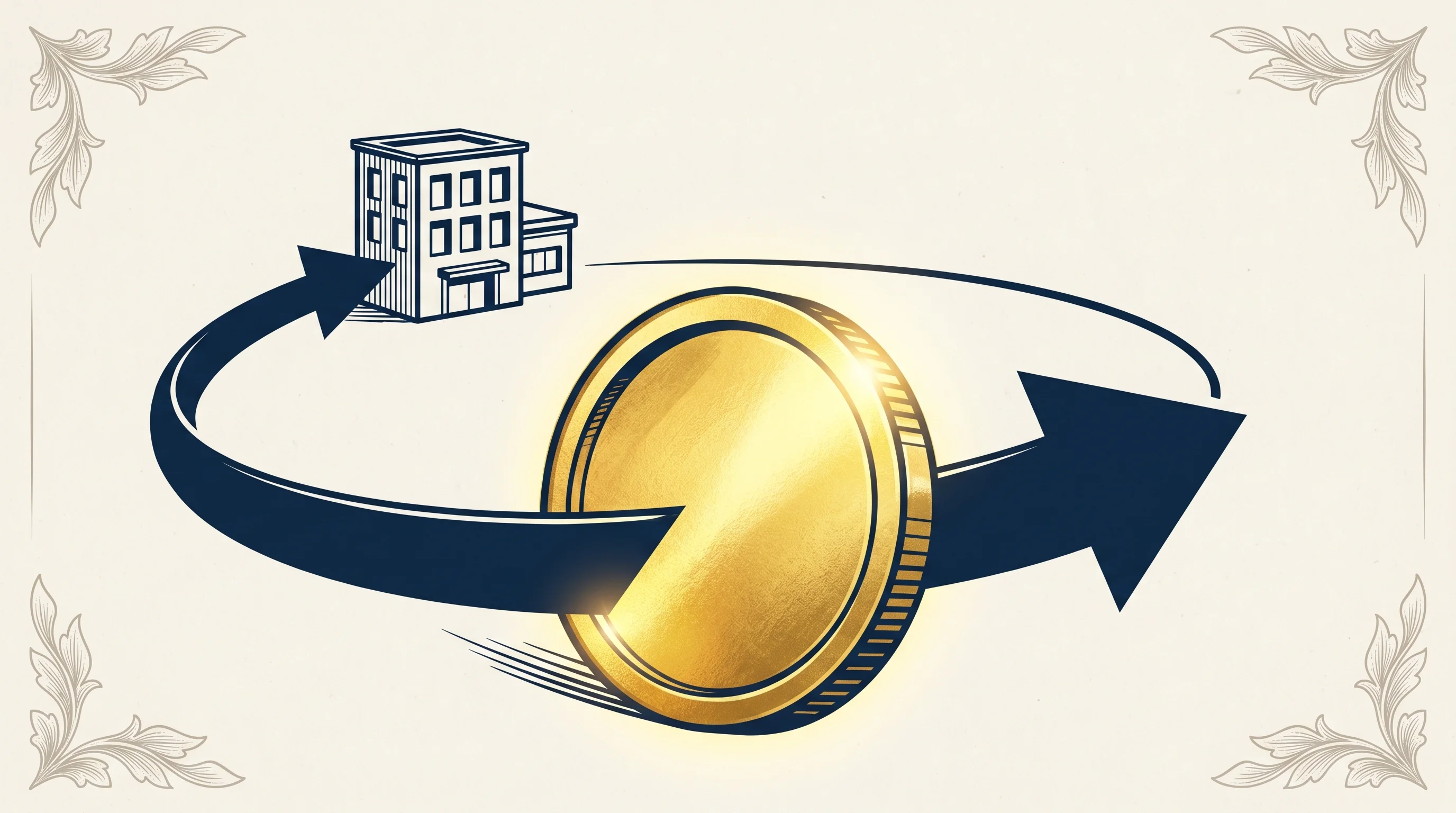
Most large companies do a mix of these. Tesla does options 1 and (occasionally) 2. The reason is straightforward — and management has said it publicly many times. Tesla believes the return on a dollar invested in new factories, AI, autonomy software, and the Optimus humanoid robot will be much higher than the return a shareholder could earn by receiving that dollar as a dividend and reinvesting it themselves.
That argument is honest, if you believe Tesla's future projects deliver. If FSD (full self-driving) becomes a multi-billion-dollar subscription business, the cash Tesla didn't pay out as dividends in 2025 will be worth far more. It becomes the engine of that business. If FSD doesn't deliver, the same cash would have been better in shareholders' hands.
The choice not to pay dividends is essentially a bet by management. They believe they can earn a better return on the cash than you can. Whether they're right is the entire Tesla thesis — which we cover in Is Tesla Stock a Buy? and Is Tesla Overvalued?.
What does Tesla do with its cash if it doesn't pay dividends?
Tesla generated about $14.75B in cash from its operating business in FY2025. The question of does Tesla pay dividends matters less than where that money actually goes. Here's the breakdown:
- $8.53B spent on capital expenditures — new factories, new equipment, manufacturing capacity expansion.
- $6.41B spent on research and development — battery technology, full self-driving software, the Optimus humanoid robot, the next vehicle platform.
- The remainder went into cash on the balance sheet, leaving Tesla with tens of billions in cash and very little debt.
For comparison, that $6.41B R&D budget is more than the entire 2025 revenue of many well-known mid-cap US companies. Tesla is spending at a rate that implies management thinks the future products are very valuable. Whether you agree is the central question for any Tesla investor. The honest framing of does Tesla pay dividends is really do you trust this reinvestment over a cash payout.
When (if ever) does Tesla pay dividends become a real possibility?
There is a clear pattern across US tech companies for when a non-dividend stock becomes a dividend stock.
Apple didn't pay a dividend from 1995 to 2012 — seventeen years of pure reinvestment. By 2012, Apple's growth rate had slowed. It was generating more cash than it could reinvest at the same returns. The company then started a small dividend and has raised it most years since.
Microsoft stopped paying dividends during its growth years. It didn't pay again until 2003 — also at the point where its growth rate slowed and the cash pile exceeded sensible reinvestment opportunities.
Cisco, Oracle, Intel — same pattern. Growth phase, no dividend. Mature phase, dividend initiation, then regular raises.
Tesla will follow the same pattern if its future-project portfolio (FSD, robotaxi, Optimus) reaches maturity. The condition is that it starts generating more cash than it can reinvest. That is at least five and probably ten years away under any reasonable scenario. It depends entirely on those projects working. If they don't, Tesla might start a dividend earlier. That scenario would coincide with the share price being much lower for a different reason.
For practical retail-investor purposes: do not buy Tesla expecting a dividend any time soon. The case for owning Tesla is entirely the share price going up. The answer to does Tesla pay dividends for any year in the next five is almost certainly going to remain no.
What about other large US companies that don't pay dividends?
Tesla is not alone in this. Several of the most successful US companies in history have either historically refused to pay dividends or only recently started.
- Berkshire Hathaway — Warren Buffett's company — has never paid a dividend in its modern form and has explicitly said it never will. The argument is the same as Tesla's: Buffett can compound the cash better than you can.
- Alphabet (Google) didn't pay a dividend until 2024, despite producing tens of billions of dollars of free cash flow for years before that.
- Amazon still doesn't pay a dividend in 2026, despite being one of the largest companies in the world.
- Meta (Facebook) initiated its first dividend in 2024 after twenty years of growth-stage reinvestment.
The honest framing: paying or not paying dividends is a capital-allocation choice, not a quality signal. A great business that doesn't pay a dividend can be a far better investment than a mediocre one that does. The dividend matters only if (a) you specifically need income from the position, or (b) the company has reached a maturity stage and a missing dividend is a sign of stress.
Does Tesla pay dividends matter for you as an investor?
It depends on what you're trying to do with the position.
You should care if you specifically need investment income — for retirement, for living expenses, or as part of a balanced income portfolio. If that's you, Tesla is not the right stock. Look at dividend-paying mature businesses instead. Coca-Cola, Procter & Gamble, AT&T, Realty Income (O), and several utility companies pay reliable dividends of 2-6% yearly. They produce regular cash you can spend without selling shares.
You should not care if you're investing for long-term growth and you don't need the cash for ten years or more. In that case, whether the return comes through dividends or share-price appreciation is more or less the same for you. The math works out roughly the same. The tax treatment can actually favour share-price appreciation in many situations.
The honest middle ground: for most retail investors, a portfolio with a mix of dividend payers and non-payers is the right answer. Some of your money compounds through reliable cash payments. Some of it compounds through businesses that reinvest at higher returns. Tesla, if you own it, belongs in the second bucket. The answer to does Tesla pay dividends doesn't change that.
Related reading
For the broader value-investing analysis on Tesla specifically, see Is Tesla Stock a Buy? and Is Tesla Overvalued?. For the framework that decides whether a stock — dividend-paying or not — is worth owning, see our 5-question good-buy checklist. For how to value a stock without relying on dividends, see how to value a stock for beginners. And for understanding capital allocation more broadly, the economic moat guide explains why some businesses can reinvest at far higher returns than others.
For more long-form essays on plain-English stock analysis, see the rest of the Hub.